

Creating a Rug Cleaning Schedule
May 7, 2024
How to Protect Carpets During Parties and Large Gatherings
July 22, 2024How to Prevent Shrinkage When Cleaning Carpets

How to Prevent Shrinkage When Cleaning Carpets
How to Prevent Shrinkage When Cleaning Carpets. Carpet maintenance is crucial for both aesthetic appeal and functional longevity.
However, one common issue homeowners face is carpet shrinkage during cleaning. Shrinkage can distort the appearance and fit of the carpet, leading to potential replacement costs.
This article aims to provide practical tips on how to prevent shrinkage when cleaning carpets, ensuring they remain in top condition.
Understanding Carpet Shrinkage
Carpet shrinkage refers to the reduction in the size of a carpet after cleaning. This phenomenon can cause the carpet to pull away from the edges, fit unevenly, and create unsightly gaps.
Shrinkage can compromise the carpet’s appearance and functionality, making it essential to understand and prevent it.
Causes of Carpet Shrinkage
Several factors can contribute to carpet shrinkage:
- Excess Water: Using too much water during cleaning can saturate the carpet fibers and backing, leading to shrinkage.
- High Temperatures: Hot water or steam can cause certain carpet materials to contract.
- Inappropriate Cleaning Methods: Using cleaning techniques that are not suitable for the carpet type can result in shrinkage.
- Poor Drying Techniques: Inadequate drying can leave moisture in the carpet, which can cause it to shrink as it dries unevenly.
Different carpet materials react differently to moisture and heat, making it crucial to select appropriate cleaning methods for each type.
Selecting the Right Carpet

Choosing Shrink-Resistant Materials
When selecting carpets, opt for materials that are less prone to shrinkage. Synthetic fibers like nylon and polyester are known for their durability and resistance to shrinking.
Additionally, choosing carpets with stable backing materials can help maintain their size and shape during cleaning.
Pre-Treatment Considerations
Before cleaning, consider the carpet’s construction and material. Consulting the manufacturer’s care instructions is vital for specific guidance on cleaning and maintenance.
This step ensures that the chosen cleaning method is suitable for the carpet and minimizes the risk of shrinkage.
Proper Cleaning Techniques
Vacuuming Before Cleaning
Thorough vacuuming before any cleaning process is essential to remove loose dirt and debris.
Effective vacuuming ensures that these particles do not interfere with the cleaning solution and water, reducing the risk of over-wetting.
Use a vacuum with a HEPA filter to capture fine particles and vacuum in different directions to ensure comprehensive cleaning.
Spot Cleaning
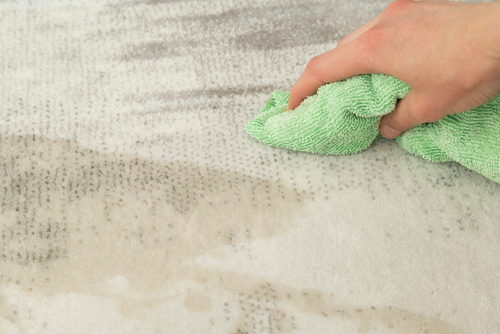
Spot cleaning addresses stains and spills without soaking the entire carpet. To spot clean effectively, blot the spill with a clean, dry cloth to absorb excess liquid.
Apply a mild detergent solution (one part detergent to ten parts water) to the stain, blot gently, then rinse with water and blot dry. This method prevents the need for extensive cleaning that could lead to shrinkage.
Using the Right Amount of Water
Excess water can saturate the carpet fibers and backing, leading to shrinkage. Controlling water usage during cleaning is crucial.
Use minimal water for effective cleaning without over-saturation. Ensuring proper extraction of water after cleaning is also vital to prevent residual moisture that could cause shrinkage.
Deep Cleaning Methods

Steam Cleaning
Steam cleaning, when done correctly, can minimize the risk of shrinkage. To steam clean effectively, use minimal water and maintain the proper temperature.
Ensuring thorough extraction is key to preventing over-wetting. Make slow, even passes with the steam cleaner and avoid lingering too long in one spot to ensure even cleaning and drying.
Dry Cleaning
Carpet dry cleaning is advantageous in preventing shrinkage, especially for delicate carpet materials.
The process involves applying a dry cleaning compound to the carpet, agitating it to absorb dirt, and then vacuuming up the residue. This method avoids the use of water, reducing the risk of shrinkage significantly.
Hot Water Extraction
Hot water extraction can be effective if precautions are taken to prevent shrinkage. Use the correct amount of water and avoid high temperatures.
Ensure complete extraction of water to leave the carpet as dry as possible. This method combines the benefits of deep cleaning with the safety of controlled water usage.
Drying Techniques
Proper Drying Methods
Proper drying is crucial to prevent shrinkage. Use fans, dehumidifiers, and air conditioning to speed up the drying process.
Ensuring that the carpet dries quickly and evenly is key to maintaining its size and shape. Avoid walking on the carpet until it is fully dry to prevent uneven drying and potential shrinkage.
Avoiding Heat
Using high heat for drying can cause carpet fibers and backing materials to shrink. Instead of high heat, opt for air drying or use a hairdryer on a cool setting.
Avoid direct sunlight, which can also cause uneven drying and shrinkage. Controlled, moderate temperatures are the best approach to drying carpets safely.
Preventive Measures

Using Carpet Protectants
Carpet protectants can help reduce the absorption of water and cleaning solutions, thereby preventing shrinkage.
Applying a protectant forms a barrier on the carpet fibers, making them less likely to soak up excess moisture. Select and apply carpet protectants according to the manufacturer’s guidelines for optimal results.
Regular Maintenance
Regular maintenance reduces the need for intensive cleaning, which can lead to shrinkage.
Establish a maintenance schedule that includes frequent vacuuming, prompt spot cleaning, and periodic professional cleaning.
Consistent upkeep helps maintain the carpet’s appearance and integrity, reducing the risk of shrinkage.
Furniture Protection
Heavy furniture can contribute to carpet shrinkage by compressing fibers and backing. Use furniture coasters to distribute weight evenly and prevent deep indentations.
Rotate furniture periodically to avoid permanent compression in one area. Always lift furniture instead of dragging it to prevent tearing or stretching the carpet.
Professional Cleaning Services
When to Seek Professional Help
Professional cleaning is recommended for extensive soiling, delicate carpets, or when you lack proper equipment.
Professionals have the expertise and tools to clean carpets without causing shrinkage. They can handle various carpet types and ensure thorough, safe cleaning.
Choosing a Professional Service
Select a reputable professional cleaning service by checking reviews, verifying certifications, and asking for recommendations.
A good professional service will conduct a pre-inspection, tailor their cleaning methods to your carpet, and provide post-cleaning care advice. This ensures that your carpet is cleaned effectively and safely.
Common Mistakes to Avoid

Using Excess Water
Over-wetting carpets can lead to shrinkage, mold growth, and extended drying times.
Avoid using too much water by following the manufacturer’s instructions and ensuring proper extraction. Monitor the carpet’s moisture level during cleaning to prevent over-wetting.
Ignoring Manufacturer Instructions
Ignoring the manufacturer’s care instructions can lead to damage and void warranties. Always follow the specific guidelines for your carpet type to ensure safe and effective cleaning. This practice helps maintain the carpet’s appearance and prevents shrinkage.
Using High Heat
High heat can damage carpet fibers and backing materials, causing shrinkage. Avoid using hot water or steam at high temperatures. Instead, opt for moderate temperatures and air drying to protect the carpet.
Post-Cleaning Care
Inspecting for Shrinkage
Inspect the carpet for any signs of shrinkage after cleaning. If minor shrinkage is detected, try stretching the carpet or using carpet padding to restore its fit. Professional repair services can also address significant shrinkage issues.
Maintaining Proper Humidity Levels
Maintaining proper indoor humidity levels can prevent future shrinkage. Use dehumidifiers, air conditioning, and proper ventilation to control humidity. Keeping the indoor environment stable helps preserve the carpet’s size and shape.
Reapplying Carpet Protectants
Reapply carpet protectants after cleaning to maintain the carpet’s appearance and prevent shrinkage. Follow the manufacturer’s guidelines for reapplication to ensure the protectant is effective.
How to Prevent Shrinkage When Cleaning Carpets – Conclusion

Preventing carpet shrinkage requires careful attention to cleaning techniques, proper drying methods, and regular maintenance.
By following the tips and practices outlined in this guide, you can maintain the size and appearance of your carpets, ensuring they remain an attractive and functional part of your home.
Proper carpet care not only prevents shrinkage but also extends the life of your carpets, contributing to a healthier, more aesthetically pleasing home environment.
Are you looking for professional and reliable rug cleaning services in Singapore? Contact us today!